

Apparently, paying tax isn’t expensive enough. We now spend around $60 billion a year complying with the system that collects it.
In Australia, you can pay tax on your income, pay GST on your purchases, pay an accountant to work out what you owe, and still spend your weekend finding the receipts to prove it.
That’s quite an administrative achievement.
According to analysis from CPA Australia, Australians spend an estimated $60 billion every year complying with the tax system.
That’s not the tax we pay. It’s the estimated value of the time and money spent keeping records, preparing paperwork, reporting information and obtaining professional advice across households and businesses.
To put that into perspective, that’s approximately $164 million every single day.
Or nearly $114,000 every minute.
Just to comply.
The tax system has become an industry of its own
Nobody is suggesting we shouldn’t pay tax. Tax funds hospitals, schools, roads and essential public services.
But surely there’s a reasonable expectation that collecting it shouldn’t require an administrative operation of this magnitude.
CPA Australia’s analysis estimates taxpayers spend approximately $13 complying with the tax system for every $1 governments spend administering it.
Think about that for a moment.
The administration bill doesn’t disappear because it sits outside a government budget. Taxpayers carry it through their own time, software costs and professional fees.
And while the ATO continues to improve its digital systems, taxpayers still have to maintain records, understand their obligations and substantiate claims years after transactions occurred.
Government efficiency matters. But we should also ask how much work remains on the other side of the screen.
Small businesses are paying twice
Small businesses are particularly exposed.
Most don’t have dedicated tax departments, compliance officers or teams of accountants.
They have business owners who are trying to run businesses.
Every hour spent reconciling accounts, interpreting rules, correcting reporting errors or searching for documentation is an hour unavailable for customers, staff or developing the business.
And when those obligations become too complicated, they pay someone else to help.
So the cost is either their time or their money.
Frequently both.
According to CPA Australia’s analysis, small and medium businesses account for approximately $31 billion of the estimated annual compliance burden.
That’s more than half the total.
For a small business owner, administration doesn’t conveniently arrive during a quiet period. It competes with everything else that needs doing, then follows them home when the working day ends.
The bill can arrive years later
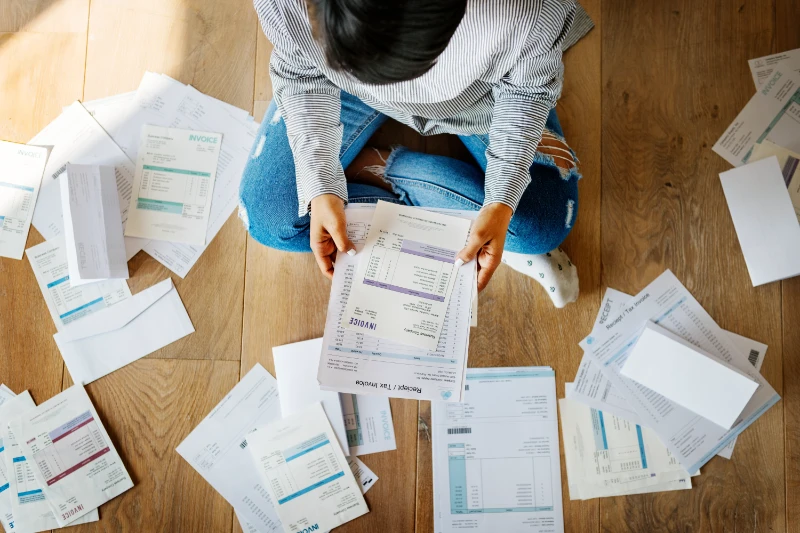
Some compliance costs are obvious. An accountant’s invoice. A software subscription. An afternoon spent preparing a BAS.
Others take much longer to appear.
A property investor might need information about acquisition costs, improvements and previous deductions decades after the original transactions.
If those records haven’t been maintained, someone may eventually have to reconstruct them.
Usually an accountant.
At an hourly rate.
That’s a separate headache I explore in Dear ATO, I’ve kept the receipt. Somewhere. Since 2004.
The point here is that the cost of a tax obligation can extend well beyond the year it begins.
Perhaps we’re measuring the wrong thing
CPA Australia is calling for a measurable 10 per cent reduction in compliance costs by 2030.
That’s a sensible objective.
But any serious attempt to reduce the burden also needs to consider the future work created by new legislation.
Revenue estimates help explain what a measure might collect. They don’t, on their own, tell us what taxpayers will spend administering it.
What information will people need to retain? How often will they need professional advice? Will they have to report information they’ve already supplied elsewhere?
And how long will those obligations continue?
Those costs are real, even when they don’t appear on a tax assessment.
They’re ultimately borne by the same people the government is taxing.
A measure that raises additional revenue but creates years of unnecessary administration may be considerably more expensive than it first appears.
Technology should reduce the cost of compliance, not just help us survive it
As a CPA, registered tax agent and founder of TaxTank, I see this problem from both sides.
We can’t control how complicated tax legislation becomes, but we can change how much work taxpayers have to do to comply with it.
That’s why we built TaxTank.
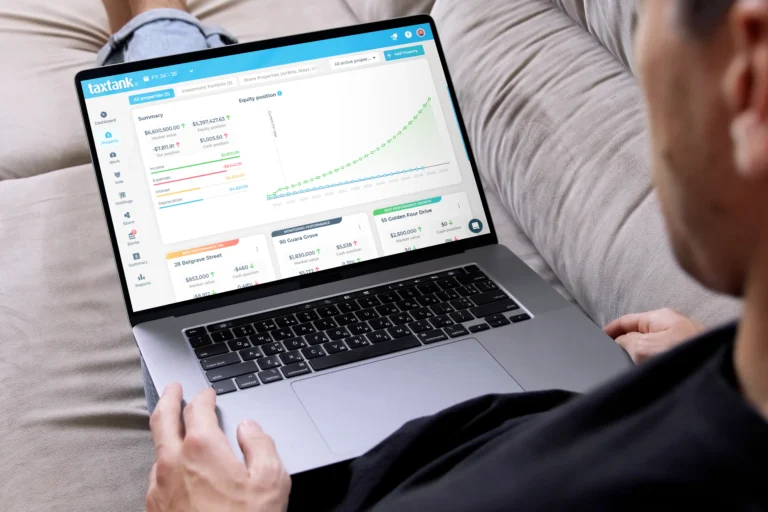
By connecting bank transactions, tracking income and expenses, calculating tax outcomes and maintaining supporting records throughout the year, we’re working to take some of the unnecessary effort out of tax.
Those records remain useful beyond 30 June, too.
Tax compliance shouldn’t mean starting from scratch every year or paying someone to reconstruct information you already had.
In The ATO got smarter. You got more paperwork, I explore why better government technology should make the taxpayer’s job easier too.
But technology is only part of the answer. Simpler rules, less duplicated reporting and practical record-keeping requirements matter just as much.
If complying with Australia’s tax system costs an estimated $60 billion a year, making that process easier deserves serious attention.
After all, taxpayers are already paying the tax.
Surely they deserve to keep a little more of their time and money.